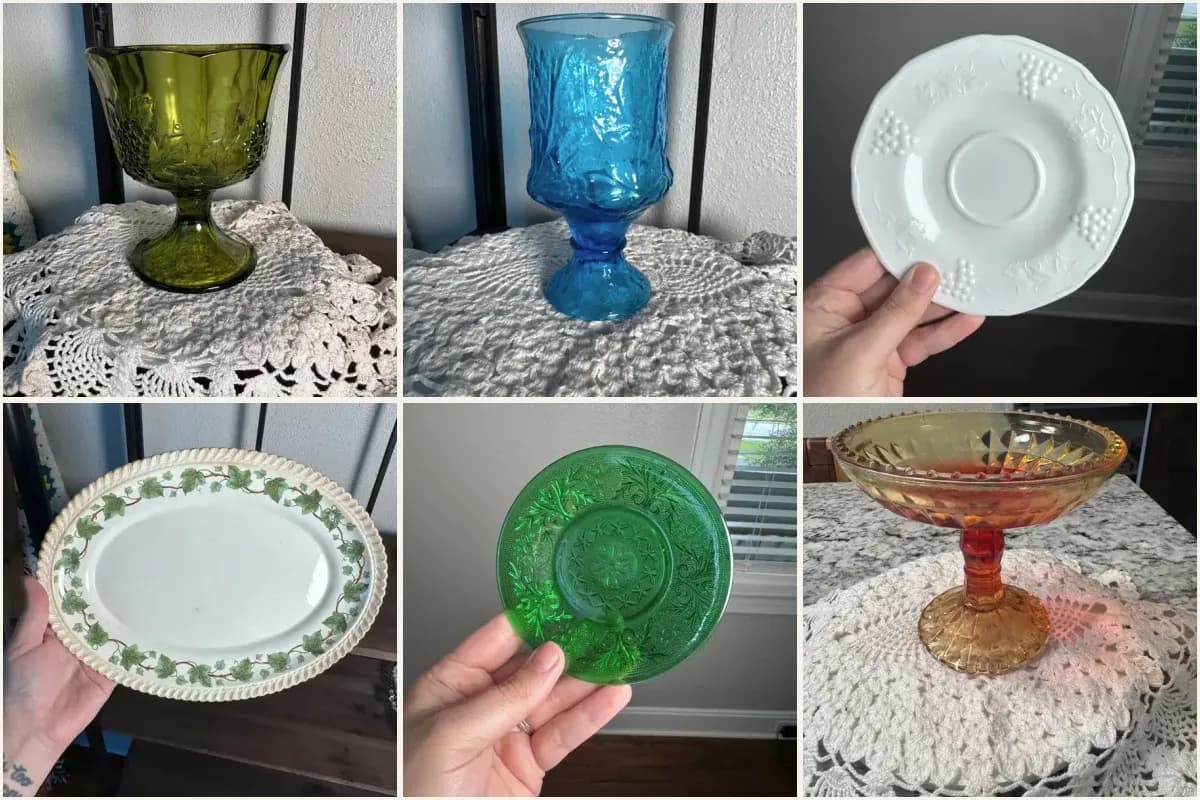
Buying Guide
How to Buy Vintage Online: What to Check Before You Buy
Buying vintage online can be safe and genuinely rewarding, as long as you know what to check before you pay. The difference from ordinary online shopping is that every vintage piece is its own item. There is no identical replacement waiting in a warehouse, so the listing in front of you (its photos, description, and measurements) is the only record of what you are getting.
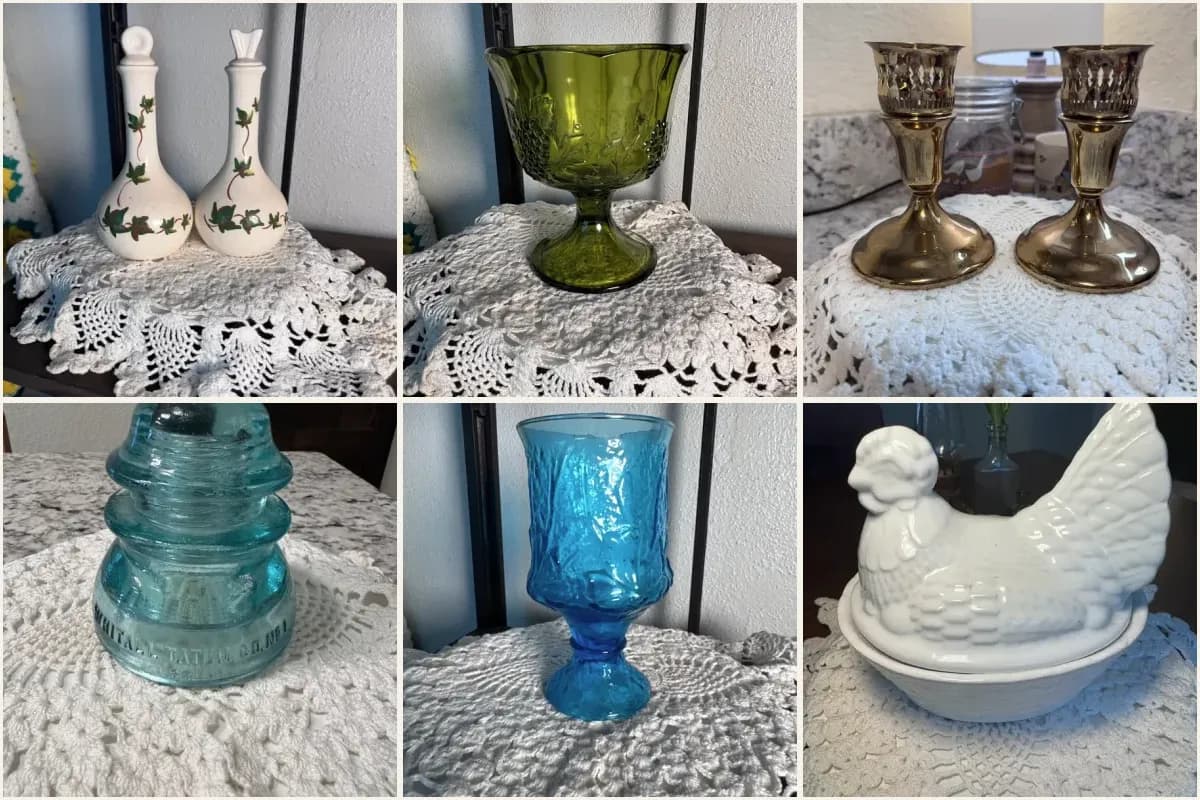
This guide walks through what to look at, what to ask, and how shipping and returns usually work, so you can buy with confidence on marketplaces like Vinted, eBay, and Facebook Marketplace.
The Short Version
- Read the entire listing, not just the title.
- Inspect every photo closely, including the back, bottom, and any close-ups of flaws.
- Measurements matter, especially for clothing and larger home pieces.
- Judge condition against how you plan to use the piece, not against perfection.
- Understand the marketplace’s shipping and return rules before you buy.
- If something important is unclear, ask the seller before purchasing.
In this guide
- What should you check before buying vintage online?
- How important is condition when buying vintage?
- How can photos help you evaluate a vintage item?
- Should you trust vintage size labels?
- What should you know about shipping vintage items?
- What about returns?
- Is buying vintage better than buying new?
- Questions to ask before buying a vintage item
- Vintage buyer’s checklist
- Frequently asked questions
What should you check before buying vintage online?
Check five things before you buy: the full description, every photo, the measurements, the condition notes, and the marketplace’s shipping and return terms. If any of those are missing or unclear, ask the seller before you commit.
Marketplace titles are written to be found, so they tend to be packed with search words. The useful detail usually lives further down the listing. A quick pass through the whole thing looks like this:
- The full description. Look for the maker, material, dimensions, age if the seller knows it, and any flaws they have noted.
- Every photo, at full size. Zoom in on edges, bases, seams, and anything that looks like a shadow.
- Measurements. For clothing, garment measurements. For home goods, height, width, and depth so you can picture the piece in your space.
- Condition notes. Specific words like chip, crack, stain, repair, or “as is” tell you more than a general “great vintage condition.”
- Price in context. Compare with similar pieces, and remember the marketplace may add shipping and a buyer fee at checkout.
- Where you will pay. Know which marketplace handles checkout, so you know which buyer protection applies.
On Gathered Goods Co., every piece links to its live marketplace listing, so you can read the full description and see all of the seller’s photos before deciding. If you are new to that setup, how buying through Gathered Goods works is explained step by step.
How important is condition when buying vintage?
Condition is the most important thing to judge, because it decides whether a piece suits the way you plan to use it. Age alone does not make something valuable, and a little wear does not make it a bad buy.
Most vintage items show some sign of the years behind them. The skill is telling ordinary wear apart from damage that affects use or value.
Usually acceptable signs of age
- Light surface scratches from normal use.
- Patina on brass, copper, and silver-tone metal, the gentle darkening that develops over time. You will see it on many pieces in Timeless Treasures.
- Gentle fading on fabrics or printed designs.
- Small manufacturing quirks, such as bubbles in glass or slight unevenness in hand-applied decoration.
Issues that deserve a closer look
- Cracks, including hairline cracks, which can spread and often make dishes unsuitable for everyday use.
- Chips on rims or edges you will touch or drink from.
- Stains that may not come out, especially on light fabrics.
- Odors such as smoke or mustiness, which photos cannot show.
- Missing parts, like lids, stoppers, buttons, or belts.
- Repairs, which can be perfectly sound but should be disclosed and reflected in the price.
- Structural damage, such as loose joints, split seams, or warping.
A useful way to decide is to think about the job you want the piece to do. A small chip on the base of a vase meant for a shelf may not matter at all. The same chip on the rim of a drinking glass probably does. Our guide to buying vintage glassware and dishes goes deeper on chips, cracks, and cloudiness.
How can photos help you evaluate a vintage item?
Photos are your best stand-in for handling the piece yourself. A good set shows the item from every side, close up on marks and flaws, and next to something that shows its size.
When you review listing photos, look for:
- Front and back. Damage often sits on the side that faces the wall.
- The bottom or base. Chips, wear rings, and maker marks usually live here.
- Labels and maker marks. A stamp, label, or tag can help identify the maker or pattern, which matters most for collectibles and curios.
- Close-ups of any flaw the description mentions, so you can judge it for yourself.
- Scale. A hand, a ruler, or a familiar object in the frame helps you understand size.
- Color in more than one photo. Screens and lighting shift color, so compare several photos if exact color matters to you.
If a listing has only one or two photos, or skips the angle you care about, it is reasonable to ask the seller for more before you buy.
Should you trust vintage size labels?
No. Size labels on vintage clothing rarely match modern sizes, so garment measurements are far more reliable than the number on the tag.
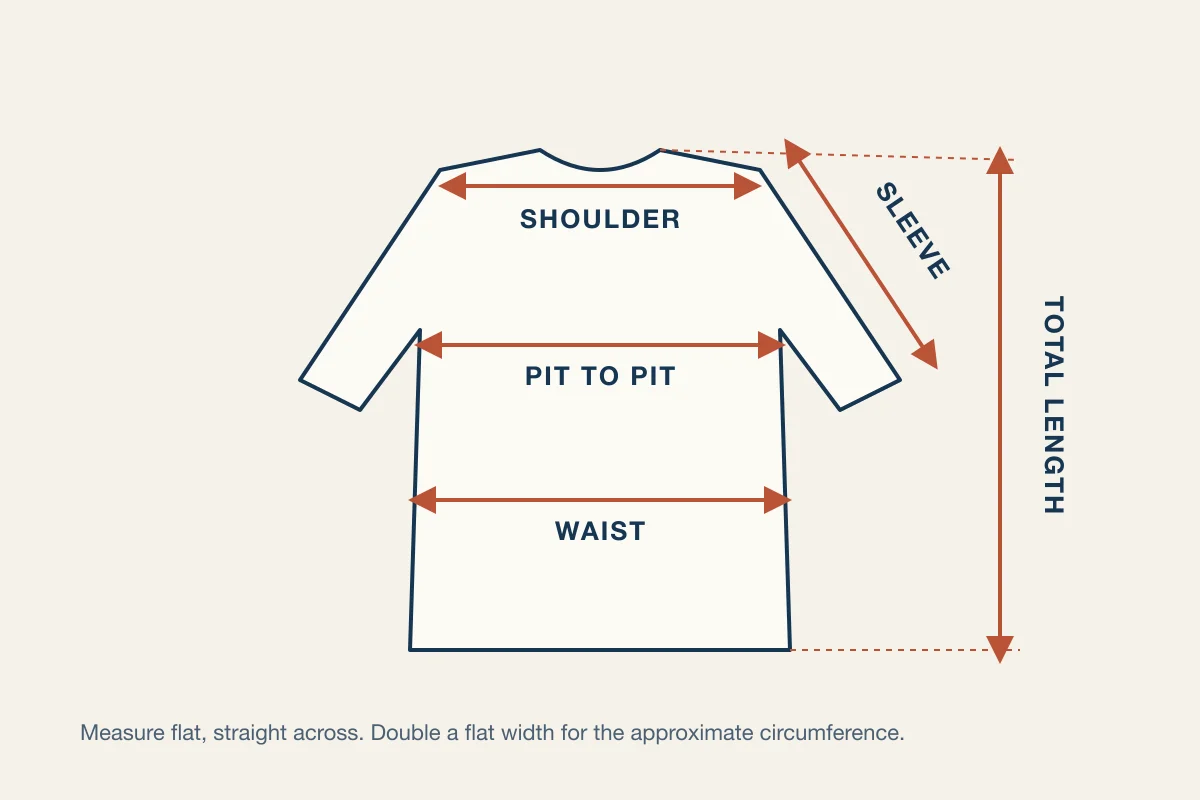
Sizing standards have changed over time and have always varied between brands, so a vintage size can fit very differently from the same number today. The better approach is to compare the listed measurements with a similar piece you already own. Our guide to vintage clothing sizing and measurements shows exactly how, and includes a simple measurement comparison tool.
The same idea applies to home goods. A “large” platter or a “tall” vase means different things to different sellers, so check the dimensions before you picture it on your table.
What should you know about shipping vintage items?
Shipping is handled through the marketplace you buy on, so its shipping options, costs, and tracking apply. Fragile pieces need careful packing, and it is worth checking the shipping cost before you get attached to a price.
- Cost. Heavy or bulky pieces can cost more to ship than you expect, so check the total at checkout.
- Packing. Glass, ceramics, and framed pieces need padding on every side and room to absorb bumps.
- Tracking. Buy through the marketplace’s own checkout so tracking and buyer protection stay attached to your order.
- Your address. Confirm the shipping address on your marketplace account before you pay.
Gathered Goods Co. typically prepares and ships orders within 48 hours of purchase, excluding Sundays, postal holidays, severe weather, or circumstances outside our control. Once a package is with the carrier, delivery timing is up to the carrier. The full details are on our shipping and returns page.
What about returns?
Returns for vintage bought online depend on the marketplace and the individual listing. Many one-of-a-kind pieces are not returnable for a simple change of mind, but marketplace buyer protection generally applies when an item arrives damaged or significantly different from its listing.
Before you buy, check two things: the return policy on the listing itself, and the buyer protection rules of the marketplace. If a problem does come up, report it through the marketplace as soon as possible and keep the item and its packaging while it is reviewed.
For Gathered Goods purchases, returns are governed first by the rules of the marketplace where you bought the piece. Our returns policy explains how that works on Vinted, eBay, and Facebook Marketplace.
Is buying vintage better than buying new?
It depends on what you value. Vintage is often the better choice when you want something distinctive, well made, or no longer produced. New can be the better choice when you need an exact match, a specific size, or a warranty.
Reasons people choose vintage
- Existing goods get continued use instead of a new item being made in their place.
- Unique design. Patterns, shapes, and colors that are no longer produced.
- Craftsmanship. Many older pieces were made with solid materials and careful construction, though quality varied then just as it does now.
- Character. Patina and small signs of use give a piece a sense of history.
- Collecting. Finding the missing piece of a pattern or set is part of the fun.
When new might suit you better
- You need several identical items, such as a matching set of twelve.
- You need guaranteed dimensions or performance, such as dishwasher-safe dinnerware for daily use.
- You want the option to return an item for any reason.
Many homes end up with both. Our story explains why Gathered Goods focuses on pieces that make a home feel collected over time rather than bought all at once.
Questions to ask before buying a vintage item
Ask about anything the listing leaves unclear, especially flaws, measurements, and missing parts. A question before you buy is easier than a return afterward.
- Are there any chips, cracks, stains, repairs, or odors that are not shown in the photos?
- Can you share a photo of the bottom, back, or inside?
- What are the exact measurements?
- Are all parts included, such as lids, stoppers, or belts?
- Is there a maker mark, label, or pattern name?
- Has the piece been used, and how has it been stored?
- Can it be packed with extra padding?
On Vinted, eBay, and Facebook Marketplace you can message the seller directly from the listing, which keeps your question and your purchase in one place.
Vintage buyer’s checklist
Run through this quick checklist before you click buy. It works entirely in your browser, and nothing you check is saved or sent anywhere.
Frequently asked questions
Is it safe to buy vintage online?
It can be, especially when you pay through a marketplace checkout that includes buyer protection. Read the full listing, review every photo, and ask about anything unclear. Paying outside the marketplace usually means giving up its protection.
What should I ask a vintage seller before buying?
Ask about flaws not shown in the photos, exact measurements, missing parts, maker marks, odors, and how the item will be packed. For clothing, ask for any measurement the listing leaves out.
How do I know if a vintage item is in good condition?
Compare the written condition notes with every photo, zoom in on edges, bases, and seams, and look for clear close-ups of any flaw. “Good vintage condition” usually means normal signs of age without significant damage, but sellers use the phrase differently, so the details matter more than the label.
Are vintage items supposed to have imperfections?
Often, yes. Light wear, patina, and small manufacturing variations are normal for older pieces. Cracks, heavy stains, strong odors, and missing parts are different, and they should be disclosed in the listing.
Can you return vintage items purchased online?
Sometimes. It depends on the marketplace and the listing. Many vintage listings do not accept change-of-mind returns, but marketplace buyer protection generally applies when an item arrives damaged or significantly not as described. See Shipping & Returns for how this works on each marketplace.
Where is the safest place to buy vintage online?
Usually a marketplace with its own checkout and buyer protection, such as Vinted or eBay, or Facebook Marketplace when you pay through the platform’s checkout. Check the seller’s reviews, and avoid paying through links or methods outside the marketplace.
Is vintage always more expensive than new?
No. Many vintage pieces cost less than comparable new items, while rare or collectible pieces can cost more. Price depends on condition, demand, maker, and rarity, not age alone.